Early Spring Expedition to Antarctica
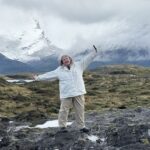
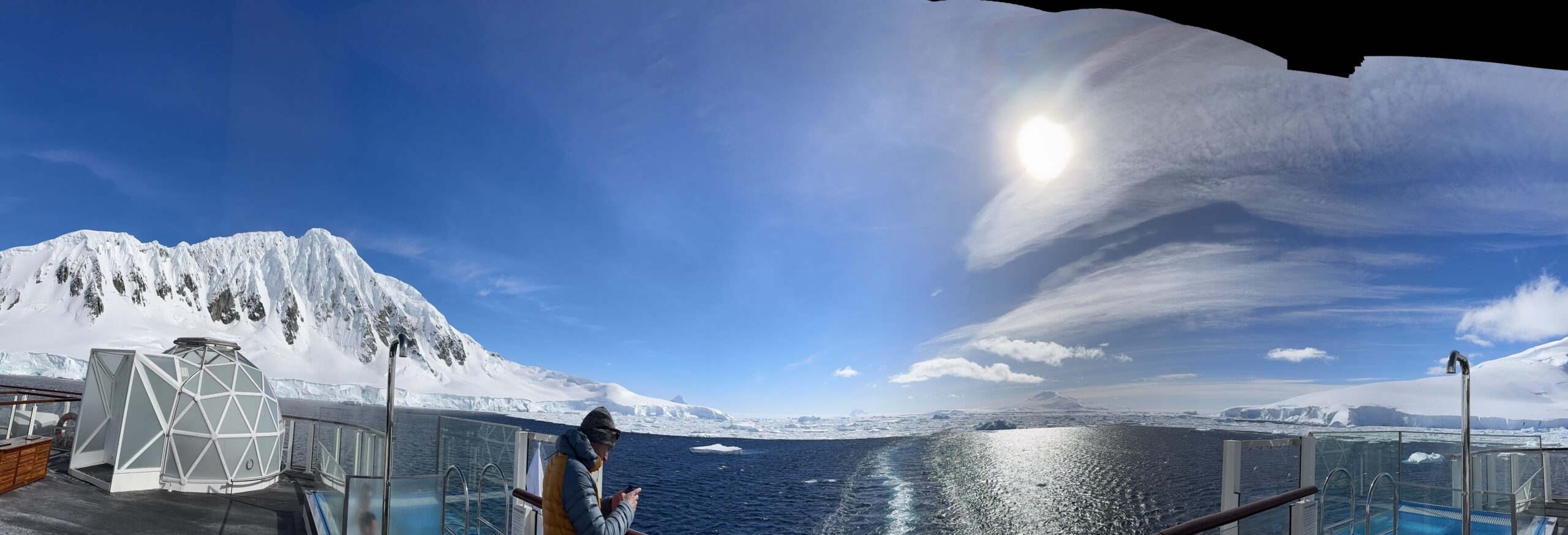
Last October I was thrilled to sail on Lindblad + National Geographic’s expedition to Antarctica. 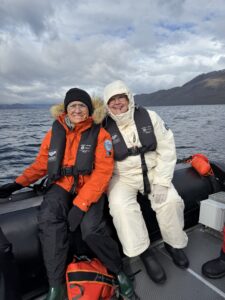
Something extra unique about this sailing is how early in the season we sailed relative to other departures. While Antarctica has only a short travel season window every year, there is always something amazing to see no matter when you go – penguin chicks, whales, 24 hours of daylight… but in October, which is their Spring, you get pristine snowscapes and very few other visitors. We left on October 6th, earlier than anybody had ever gone before (to put it in perspective, after we returned at the end of our 3-week expedition, all other ships were just barely getting their provisions onboard and readying to make their first sailing of the season). There is no wrong time to visit, that’s a given, but arriving to the Antarctic Peninsula ahead of all other ships and witnessing its unmarred beauty certainly was an extra treat.
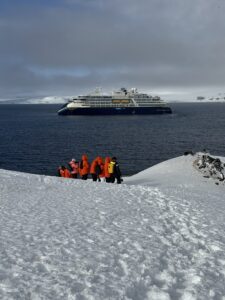 To reach the Antarctic Peninsula, we first needed to cross the Drake Passage. A lot of people are nervous about crossing the Drake, but with the modern technology of oxbow ships, there is less to fear. The crossing took about 30 hours, much of it overnight, and there was no shortage of things to do onboard Lindblad’s fabulous ship. I loved the lectures and the 24/7 access to the naturalists – what can I say, I’m a big nerd and proud of it. I wasn’t even much of a birder before this expedition, but by the end of it I was completely captivated by the naturalists’ passion for the many beautiful bird species coming to say hello to our ship. We saw albatross, petrol, and many more interesting specimens. Then we arrived at the peninsula… and our jaws were on the floor.
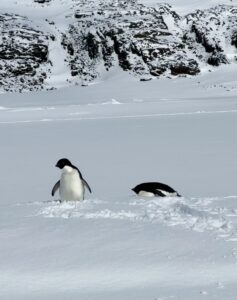
By arriving so early in the season, we were greeted by gorgeous, snowy, and completely unmarked landscapes. With snow so immaculate, we could see penguin trails decorating snow drifts and showing where the prolific creatures were sliding down hills on their bellies. This is why Antarctica is so amazing – not just for the landscapes, but for the opportunity to interact with so many incredible animals.
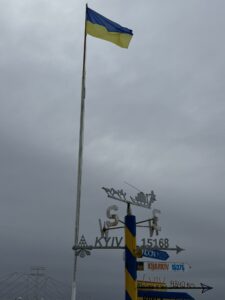
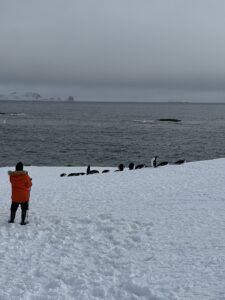 Our naturalists cut trails in the snow for us to zip zag up the hills and observe the penguin colonies just yards away. And wow, there were SO many penguins to observe! They waddled on black sand beaches, popped up on icebergs, swam around in the water…they were everywhere. Penguins on land are so (adorably) ungainly, but in the water, they move like torpedoes. It was incredible to behold up close and personal. At one stop at a Ukrainian research base, we saw penguins shooting out of the water onto the rocky shore. It is one of my favorite videos to show because, after all that effort to get up on land…well, one of the penguins changes its mind and they all dive back in the water. It was sheer Penguin Pandemonium. I hated to say a ‘flock’ of penguins, as I thought they deserved some more interesting nomenclature, or I guess they are called a ‘collective noun’… like a ‘dazzle of Zebra’ or a ‘murder of crows…’ And indeed, penguins are called a ‘waddle’ when on land, and a ‘raft’ when in the water!
In addition to the penguin party, we spotted at least four types of whales on our expedition including several fantastic Orca sightings.
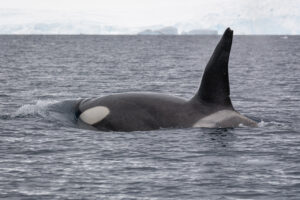 We watched them hunt, searching for seals among the ice floes and canal edges. The objects of the whales’ hunting were, unfortunately, very, very cute. They scratched about, stretched, and sometimes just stared straight back at us, curious about the big blue vessel gliding through their home waters. But nature is nature and at the end of the day everyone must eat, no matter how cute the dinner is. (P.S. Although Orcas are frequently called “Killer Whales,” they are actually not whales at all. They are in fact the largest species of dolphin. They are also sometimes called Sea Wolves because they are truly amazing hunters – the more you know!)
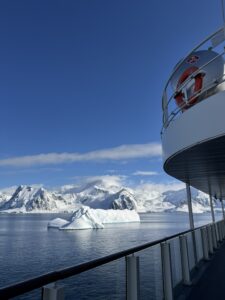
People usually come to Antarctica for the wildlife, but without fail they are always captivated by the ice, the sky, and the gorgeous clouds.
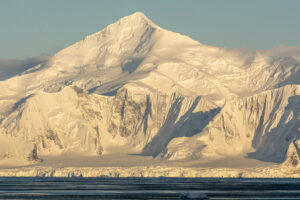 Our ship’s National Geographic photographer, Macduff Everton (now retired after an incredible career including featured cover stories for National Geographic and prominent work for additional publications such as Life, NY Times Magazine, and Smithsonian) always invited the ship’s guests to join him for his 5am sunrise shoots. While I never took him up on the offer (the beds were too cozy and the hour much too early), I was delighted to see the photos he captured…just at a much more reasonable hour in the day.
We even had a wonderful French geologist on board who brought our attention to details in the landscape we might otherwise have missed.
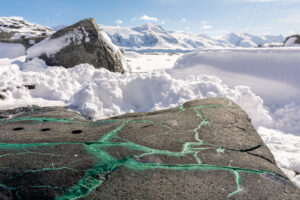 At one of the stops, she pointed out vibrant green lines running through a section of the rocks. “Malachite” she told us. Looking at the emerald lines snaking through the rock in front of a backdrop of pristine, glittering white snow was like being in a fantasy world.
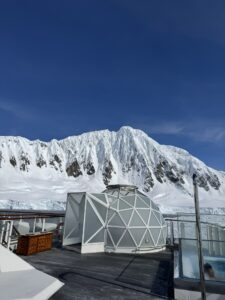
Going on an expedition cruise is like going to summer camp for adults. We were very well taken care of and simply there to learn and explore. Just the immensity of getting into that foreign land and breathing air coming off glaciers that hadn’t been breathed by human lungs in who knows how long… it makes me understand our place on the planet and how we are small pieces of the history of the world. These kinds of experiences stretch our limits and understanding of our world, and isn’t that what travel is all about?

Related Entries

UnCruise: Baja California’s Whales & Sealife
For those unfamiliar with UnCruise, it’s an adventure travel cruise company that prides itself on sustainability, super immersive experiences, positive local impact, and a spirit of discovery. Our ship...

Greenland & Iceland Expedition Cruise with Lindblad & National Geographic
I just got back from an amazing 12-day "Iceland’s Wild West Coast to East Greenland" expedition cruise aboard the National Geographic Lindblad Endurance

An Unforgettable Journey to Antarctica with Nat Geo Lindblad
In December, I got the opportunity to go to Antarctica with National Geographic aboard the fairly new Endurance, a polar expedition ship operated by Lindblad Expeditions.